
Tsai awarded grant from Texas Bar Foundation to study impact of Bexar County's community court
Study is the first to measure whether local homeless courts are able to change outcomes for residents experiencing homelessness
The Texas Bar Foundation has awarded a new grant to Jack Tsai, PhD, professor and regional dean of the UTHealth Houston School of Public Health dean in San Antonio, to study the impact of a homeless court on residents in Bexar County who are experiencing homelessness.
Bexar County Community Court serves individuals experiencing homelessness with class A or B misdemeanors, and is presided over by Judge Melissa Vara. People are referred to the program, which typically lasts 6-9 months, requiring court appearances twice a month, random drug testing, and willingness to comply with service recommendations like counseling. The court’s goal is to connect individuals with community resources to help them resolve their charges.
Tsai's study is the first of its kind in Bexar County, and he said he will be working with the Bexar County Community Court to help the existing homeless court system expand and improve its ability to assist homeless adults in receiving the services they need to avoid criminal justice involvement.
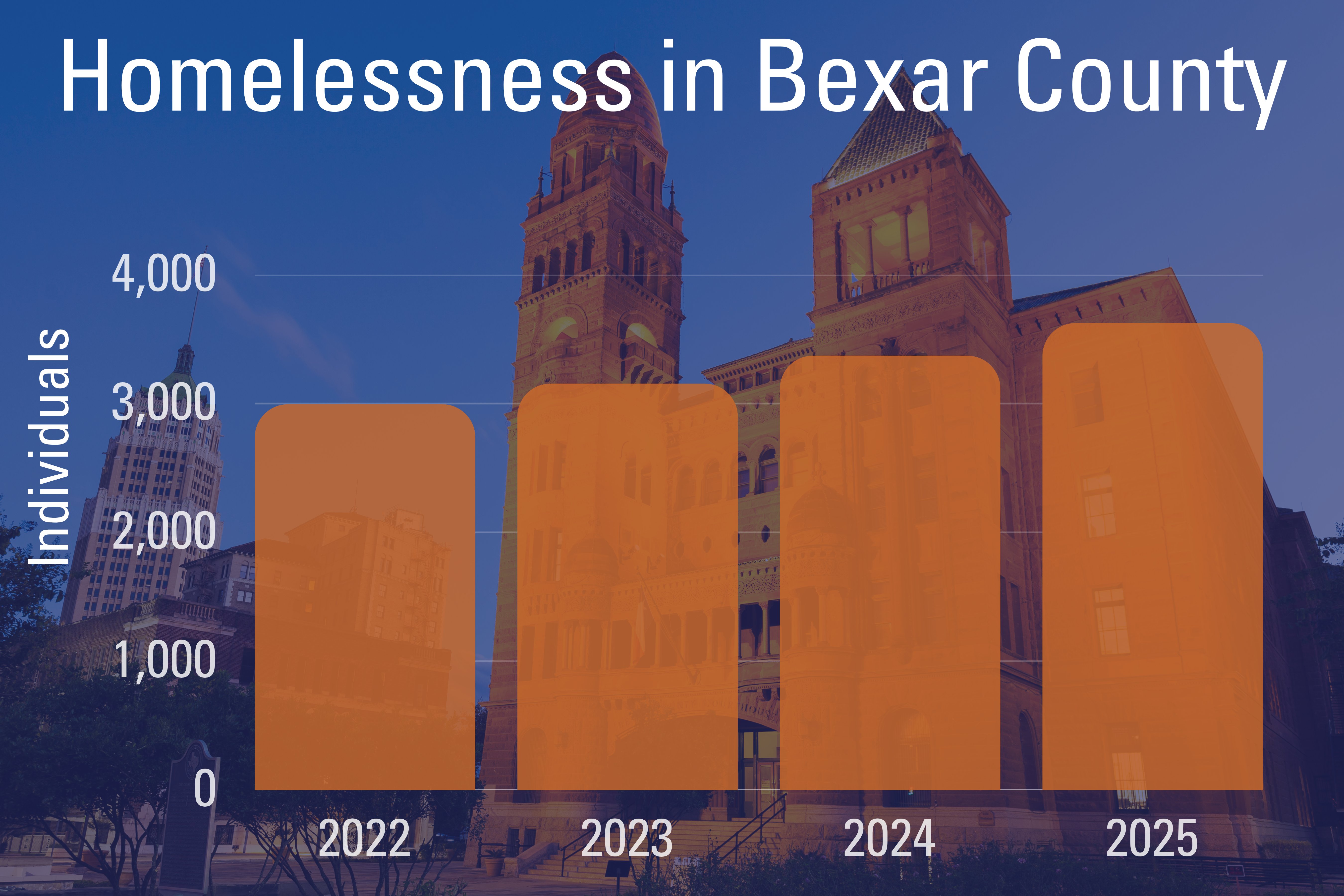
From 2024 to 2025 San Antonio experienced a 7.5% increase in the number of individuals experiencing homelessness according to the 2025 State of Homelessness report released by Close to Home. This population is often caught up in the criminal justice system for city code violations, such as sleeping on public property.
While the court itself is not unique as there are at least 69 homeless courts across 23 states, none of these programs have so far provided any public information on outcomes of their court participants.
Tsai’s project aims to develop and support the homeless court in Bexar County by following participants over time and assessing their outcomes to build evidence for its effectiveness and encourage the county to expand court operations and enrollment.
With the help of a research assistant, Tsai plans to recruit participants for the short-term study, including both a group of individuals from the homeless court as well as some who chose not to participate. The study will follow them over a period of six months to understand their outcomes and identify ideas for improving the homeless court.
The project findings will be shared with government leaders, stakeholders in the county, the City of San Antonio, and the broader Texas community.
“This grant allows us to evaluate a homeless court program for the first time to examine how well they help people with minor infractions resolve their homelessness and go on to live productive lives,” Tsai said.
Since its inception in 1965, the Texas Bar Foundation has awarded more than $30 million in grants to law-related programs. Supported by members of the State Bar of Texas, the Texas Bar Foundation is the nation's largest charitably-funded bar foundation.