
MD/MPH Students Celebrate Match Day 2026
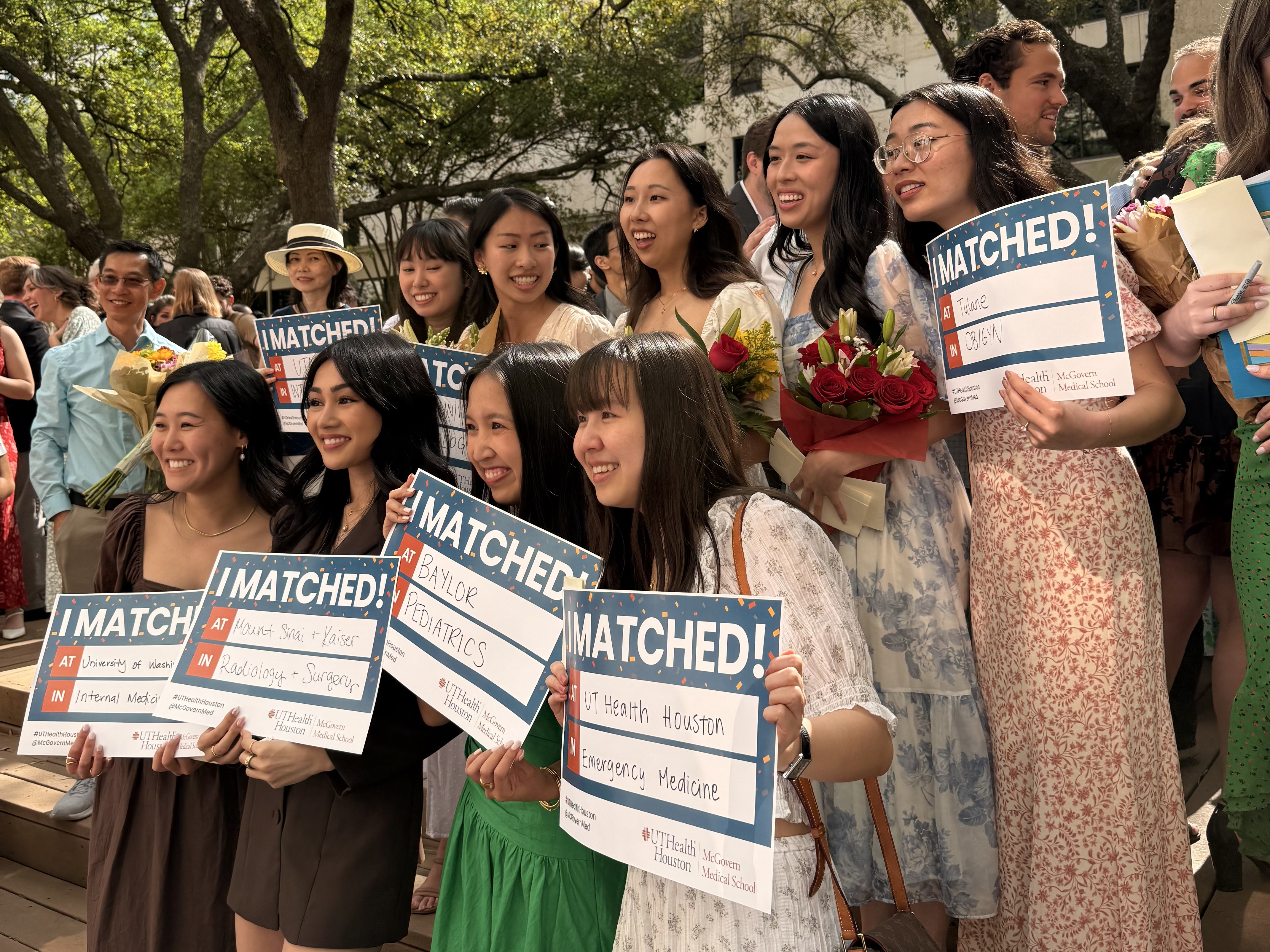
The third Friday of March marks Match Day, a milestone occasion revealing where medical students will start the next phase of their medical training, matching to new or familiar institutions, finding new opportunities, and learning new skills to help and heal patients.
Among them are students from UTHealth Houston School of Public Health completing the Doctor of Medicine and Master of Public Health (MD/MPH) dual-degree program. As these select students transition from students to residents, they bring together expertise from the School of Public Health and partner medical schools, combining medical and public health skills to guide the next stage of their careers.
The MD/MPH pathway is designed to equip future physicians with the critical skills in public and population health to treat patients while understanding and addressing over-arching factors that shape health. By combining medical training with a foundation in public health, graduates are prepared to care for individuals in clinical settings while working to improve health outcomes at the community and population levels. Each MD/MPH graduate takes with them a wide range of skills to spark new ideas and lead meaningful change in their communities.
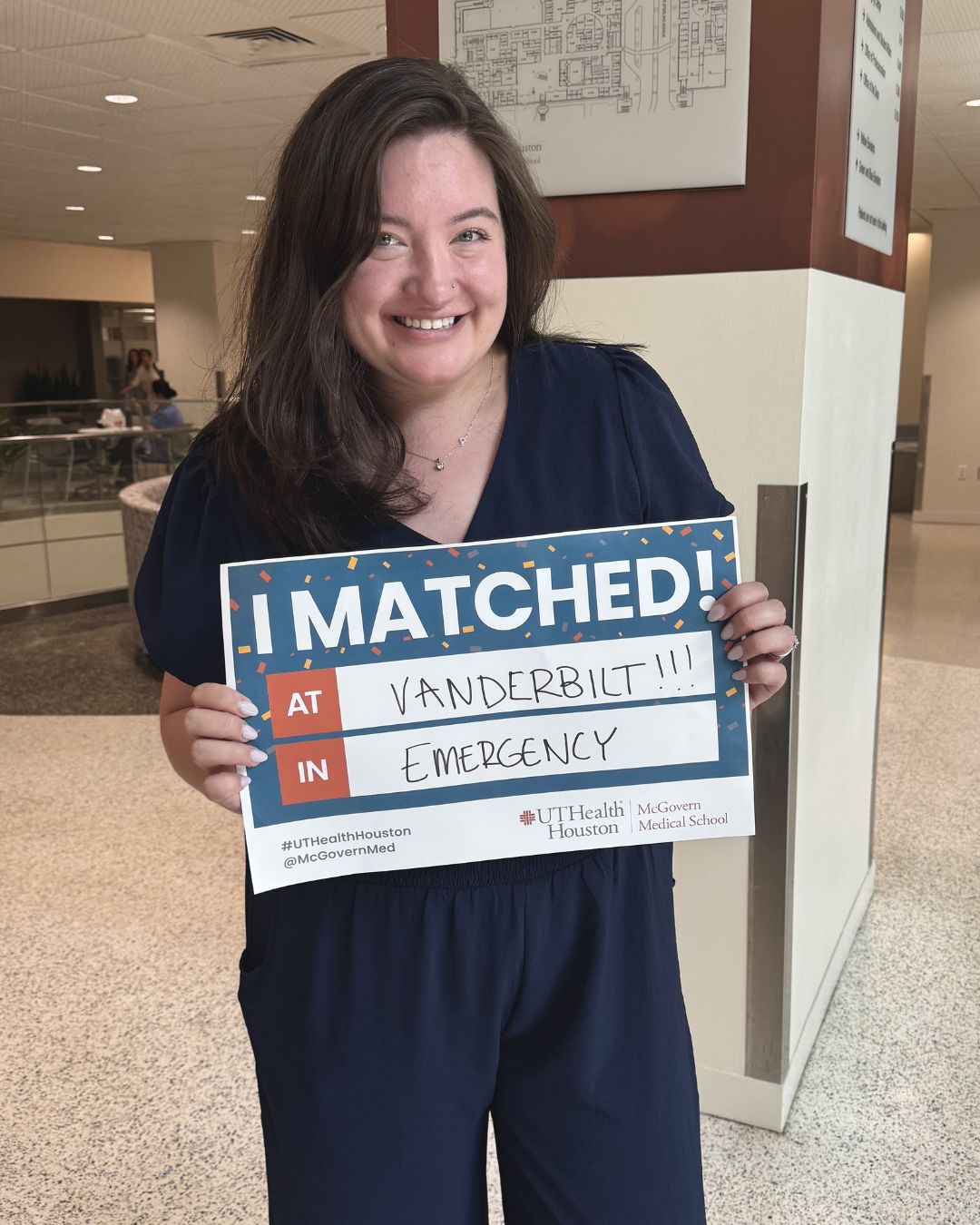
Payton Cabrera – From Personal Experience to Public Health Impact
Payton Cabrera, MD/MPH student with McGovern Medical School at UTHealth Houston, has navigated life by finding what fuels her most. For her, challenges are not setbacks; they are a driving force to forge her next move.
Cabrera's interest in public health is rooted in her personal experiences growing up.
"When I was younger, my family struggled financially, and I remember not being able to buy fresh fruits and vegetables because there were too many mouths to feed and not enough money," Cabrera shared. She remembers the impact this had on her family, their health, and wondering why things were affecting them, and how much these factors felt out of her control.
"I think I had a deep connection to the idea of public health even without having a word for it," she stated on why this sparked an early connection to public and population health.
That perspective deepened during her gap years after school, when she worked in an emergency department as a medical scribe during the height of the COVID-19 pandemic. There, she saw firsthand how health policy, epidemiology, and communication shape the realities faced by health care workers and patients. Those experiences ultimately led her to pursue a future in both medicine and public health.
Cabrera will continue her training in emergency medicine as a resident at Vanderbilt School of Medicine, a specialty she found served as an essential healthcare resource for patients with limited access to care elsewhere. She hopes to use her public health training to better understand structural barriers and to collaborate with clinicians, public health professionals, and community members to address them.
"I want to create programs that don't just deliver interventions but elevate community voice and priorities. Specifically, by combining emergency medicine and public health, I hope to keep my finger on the pulse of the community at the bedside and use those experiences to inform upstream drivers of my patients' presentation," she shared.
By combining insights from emergency medicine with public health strategies, Cabrera aims to address the root causes that drive patients' care-seeking behavior.
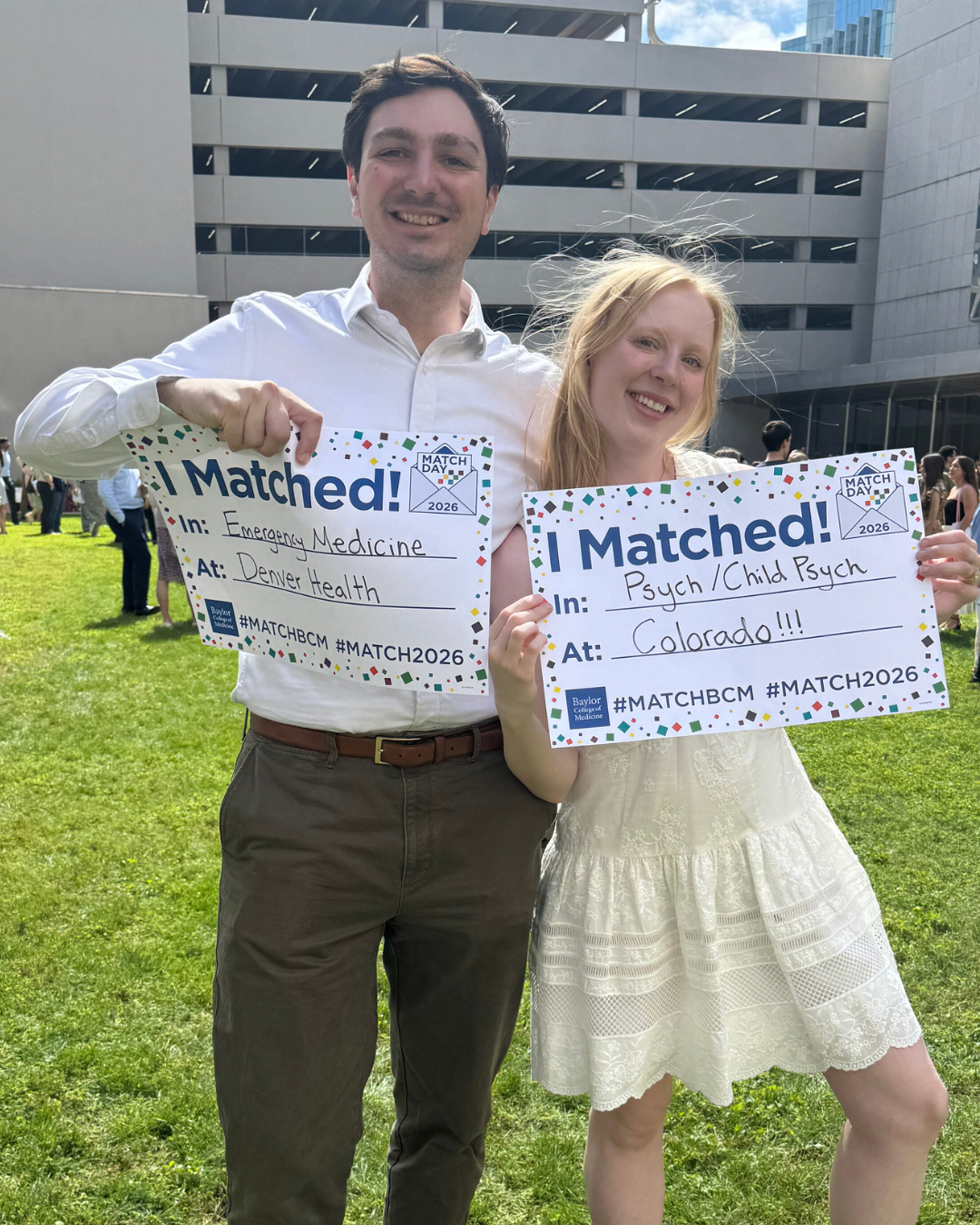
Michael DiLeo – A Legacy in Medicine
For Michael DiLeo, MD/MPH student at Baylor College of Medicine, matching at Denver Health in emergency medicine is both an honor and a responsibility. As a future physician, he recognizes emergency medicine often meets patients and families on the most difficult days of their lives. It also offers him the chance to help those who need it most.
DiLeo's public health training will continue to shape how he approaches medicine. In the emergency department, he hopes to keep a strong focus on the drivers of health. Understanding the broader circumstances that influence why patients seek care in the first place, he says, can help physicians provide more effective care for individuals and communities.
"These social drivers of health are incredibly important to remember, not only to provide better one-on-one patient care, but also to enable us to create targeted programs that help address these challenges at a population level," DiLeo shared. "I hope to bring my knowledge of these factors and the many ways to organize programs to address them to my future career as a physician."
Outside of his academic training, DiLeo credits much of his inspiration to his parents. His father, the first physician in his family, supported his medical training through ROTC and military service. His mother, a nurse practitioner who earned her PhD while raising young children during periods when his father was deployed, demonstrated remarkable dedication to both education and family. Their drive and commitment to helping others laid the foundation for DiLeo to create a similar impact in caring for others.
Among his proudest accomplishments is his leadership with the HOMES Clinic, an initiative with Baylor College of Medicine and UTHealth Houston, where he served as Executive Director for two years. During that time, he helped expand patient services, onboard additional faculty preceptors, and grow community partnerships with organizations such as the Houston Health Department. The role strengthened his leadership skills and allowed him to make a lasting impact on an organization dedicated to serving vulnerable populations.
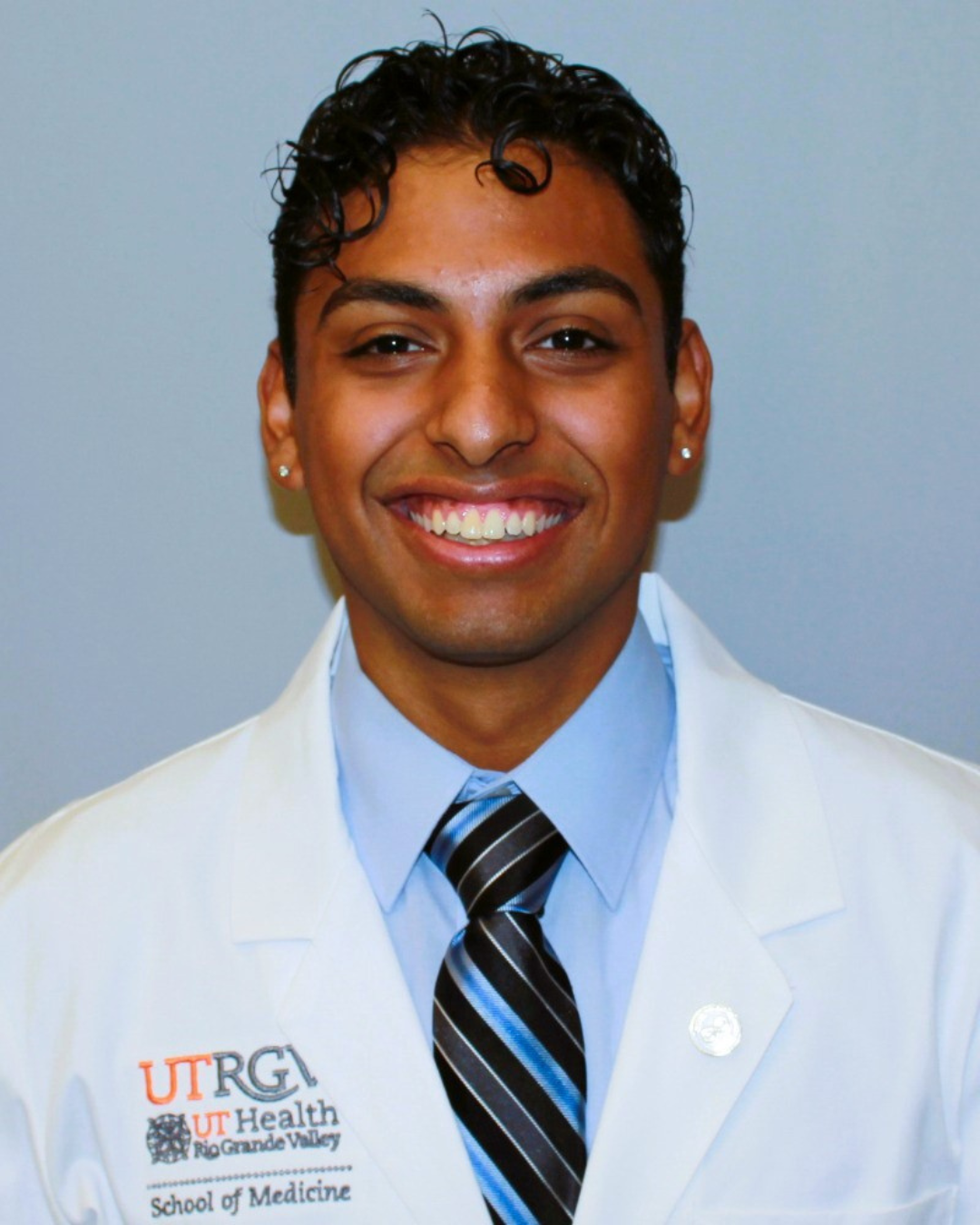
Josue Luis Fonseca – A Path to Pathology
MD/MPH student Josue Luis Fonseca at The University of Texas Rio Grande Valley School of Medicine has always wanted to help others. Now, he's found a path from studying clinical medicine and public health to pathology, the study of diseases. His next steps led him to a pathology residency program at UT Southwestern Medical Center.
Fonseca first discovered his interest in public health while completing his undergraduate degree. As he explored what type of physician he hoped to become, he realized he wanted to advocate for patients not only within hospitals but also to improve their health outcomes before they enter the health care system. By combining his interests in health sciences, Fonseca is set to better understand why a population's behaviors, social factors, and systems can influence health outcomes, and how to connect these questions to answers.
Fonseca was drawn to pathology for its unique ability to bridge molecular and cellular insights to patient care. Much like public health, Fonseca wants to understand how the ways in which we work, live, and play contribute to health issues.
"Every diagnosis represents more than an individual case; it contributes to the larger picture of population health. I am excited to strengthen the connection between pathology and public health and to contribute to policy and system-level improvements informed by disease patterns and outcomes," Fonseca said.
As a first-generation medical student from Houston, Texas, Fonseca initially found the expectations of medical training challenging. Through mentorship and reflection, he learned to navigate those pressures while staying grounded in his identity and purpose. His described identity remains rooted in health advocacy and regularly considering medicine through a population health lens.
Among his greatest inspirations are his mentor, Elizabeth Miller, MD, of the Cameron County Forensic Pathology Department, and friends and classmates, each striving to create healthier communities and populations.
"The accomplishment I am most proud of is reaching a point where I am being asked to share my experiences. I remember being a high school and undergraduate student reading biographies like these that encouraged me to keep going," he shared.
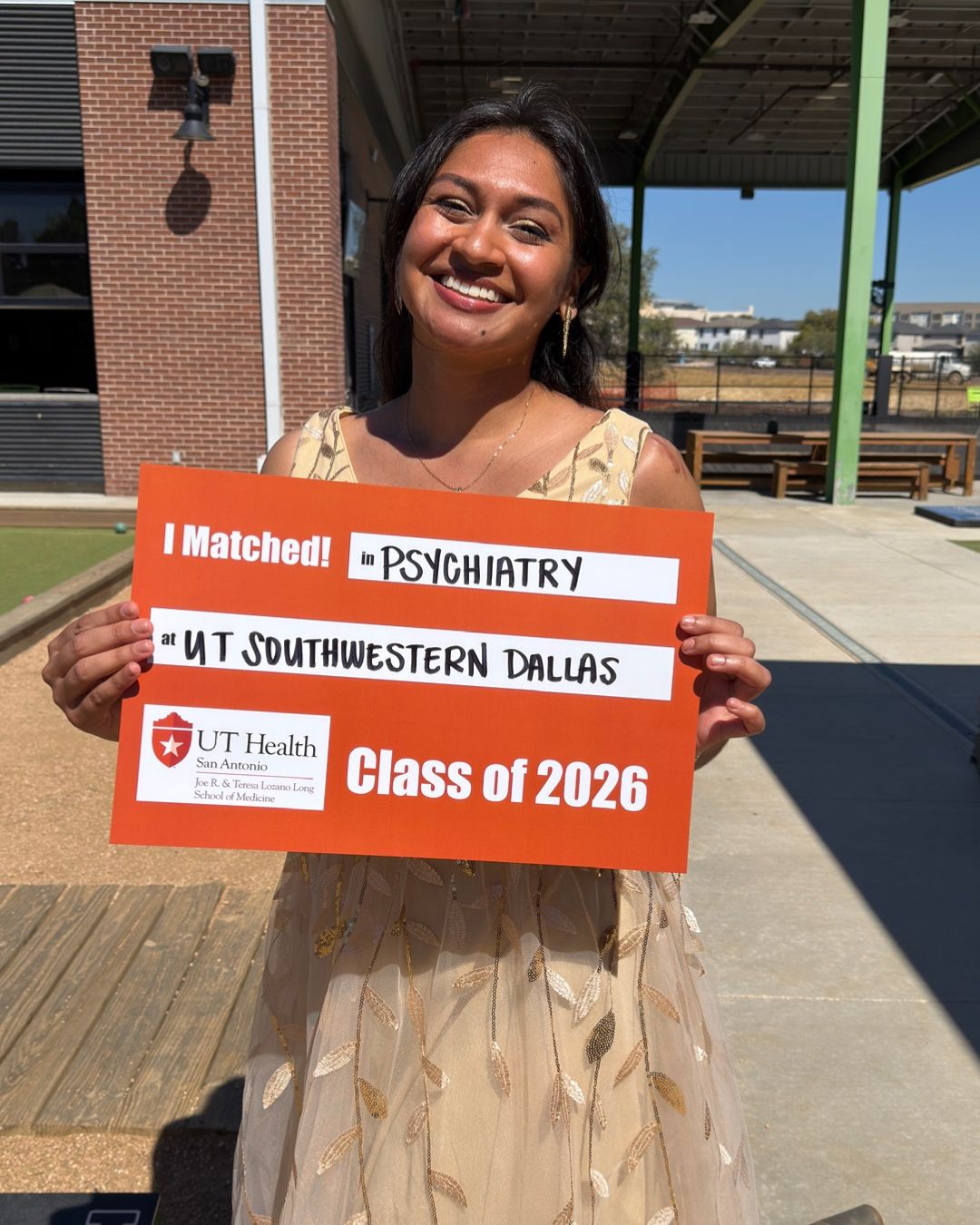
Pratima Gangupantula – Listening to Medicine
Pratima Gangupantula, MD/MPH student at UT Health San Antonio Joe R. & Teresa Lozano Long School of Medicine, has successfully matched at UT Southwestern Medical Center as a psychiatry resident.
Here, she'll continue her studies in a field devoted to diagnosing and treating mental health disorders. As a psychiatrist, Gangupantula aims to listen to her patients and understand their individual stories earnestly. Inspired by her mother, a family medicine physician, she wants to model her mother's approach to medicine, devoting her time to talking with her patients to build trusting relationships and ensure understanding.
"I chose this field because, above all, I love listening to patients. Each patient's story is different and impacts the management of their psychiatric conditions," she stated. She looks forward to building collaborative relationships that empower patients to support their care and treatment actively.
Public health has been a familiar discipline for Gangupantula, where she first began as a community health worker in rural Ohio. Through her community work, she witnessed and supported patients navigating the local health care systems. From helping patients coordinate transportation to medical appointments, to assisting with insurance enrollment and delivering food bank resources to families in need, she has firsthand experience to public health in action.
Those experiences highlighted how non-medical factors influence health outcomes, which motivated her to pursue formal training in public health. She believes her training will strengthen her career in medicine by helping her better understand disease patterns across populations and by enabling her to develop community-level interventions.
Throughout her training, she hopes to remain attentive to resources among health systems and community organizations. Listening to the opportunities available to her patients, she can pair them with programs to improve outcomes.
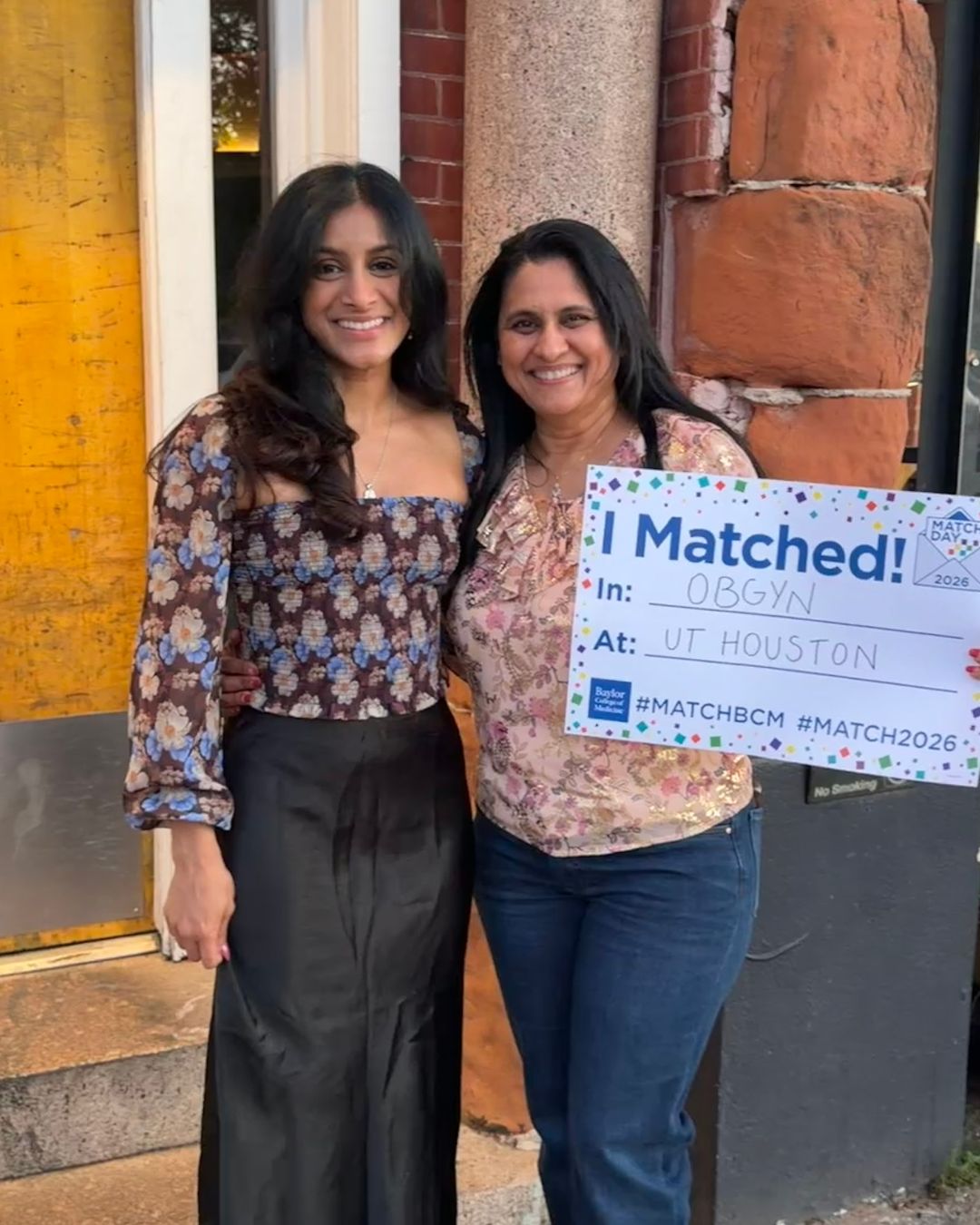
Likhita Nandigam - Inspired by Generations, Driven to Care
MD/MPH student Likhita Nandigam at Baylor College of Medicine has always been drawn to studying obstetrics and gynecology. For Nandigam, this is a field focused on service and care for mothers and infants, a notion that resonates very close to her heart.
"I am the oldest daughter of an oldest daughter, going back at least five generations. The women in my family modeled empathy and quiet sacrifice, the ones who ate the leftover rice so everyone else could have the fresh batch," she shared. "Watching them care for everyone else shaped how I understand responsibility and service."
The women in her life inspired her to pursue medicine, and her undergraduate community inspired her to study public health. There, she noticed the stark socioeconomic differences communities face, which inspired her to pursue a degree in global health and the environment. Through her studies and community work within an HIV prevention lab, she began to see how policy decisions, clinical practice, and community engagement intersect to shape whether someone ever walks into a clinic and whether they can come back.
This public health intersection led her to where she stands today, as an advocate and researcher.
Later this year, she'll start her residency at UTHealth Houston, a match that reflects her dedication to helping others. Obstetrics and gynecology offer a combination of surgery, primary care, and long-term patient relationships, each an aspect that resonates closely with her. Nandigam hopes to support patients through pivotal moments in their lives, from managing complex pregnancies to addressing reproductive health concerns.
"We meet patients during some of the most intimate and vulnerable moments of their lives, whether they are navigating infertility, pregnancy complications, contraception, or chronic pelvic pain," she said on why she's pursuing a residency in obstetrics and gynecology.
There, she can explore her interests in maternal-fetal medicine and the opportunity to influence positive health outcomes and advocate for both mothers and infants.
"In residency and beyond, I hope to serve as a bridge between frontline clinicians and hospital leadership...I want to be able to translate between those perspectives and advocate for changes that meaningfully improve access and care, particularly in maternal health."